
📱 The Facebook Friend Scam — Familiar Face, Fake Profile, Real Money Lost
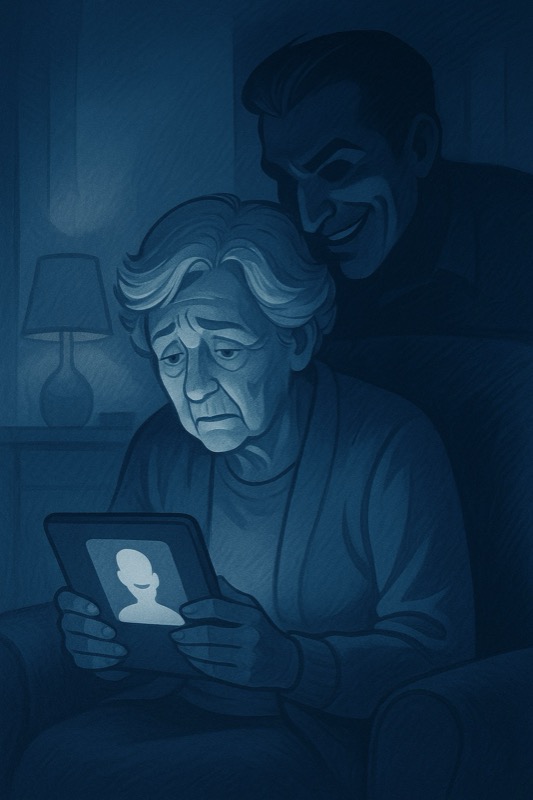
It starts with something harmless: A message from someone you know — a cousin, a neighbor, maybe a friend from church, even your own grandchild. The profile picture looks right, the name is spelled correctly, the greeting feels familiar. "Hi! Can you help me with something?" Just like that — the hook is in.
👵 Why seniors fall for this more than anyone else. Facebook was built to feel like a digital neighborhood. For seniors, that feeling is real. They don't expect danger behind a smiling profile picture. So when a scammer copies a public photo and creates a clone account, it works frighteningly well.
They send friendly small talk. Then a question. Then a story: "I lost my wallet." "My phone is broken." "I need to buy medicine." "I'm stuck while traveling." And finally — "Could you send something small?"
🔎 The tricks have become painfully convincing: stolen profile photos, copied posts, friend lists scraped from public accounts, AI-written messages that mimic natural conversation, even voice deepfakes for confirmation.
💸 The fallout is real. Families often discover scams only after money is gone — wired away, sent through gift cards, or transferred through payment apps. Victims feel something worse than financial loss: shame. They hide it, which makes them even easier targets the next time.
🛑 The new rule for families: If a message asks for money — switch platforms immediately. Verify with another family member.
Knowledge is the first step. Protection is the second.
WhiteCat is the router that quietly enforces the boundaries you set — no arguments, no workarounds.
See Plans →