
💸 The Dark Patterns of In-App Purchases
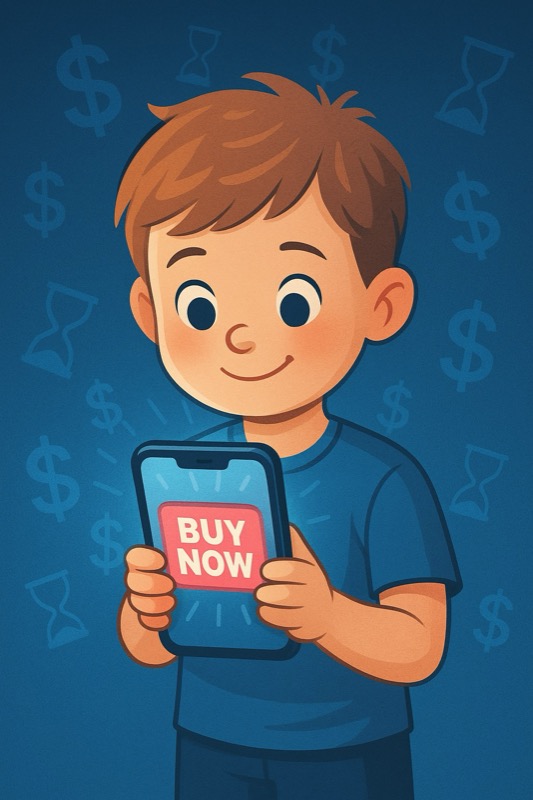
It usually begins with something innocent — a kid tapping "Get more gems." Just a little boost, a small power-up, a "special offer." But behind that cute pop-up is a playbook written by behavioral economists, psychologists, and marketing engineers — not game designers.
🎮 The Design of Deception. Free games aren't really free. They're labs — testing how long it takes before a child clicks "buy." Bright colors, countdown clocks, "limited deals," and sad characters begging you to "save them" with one more purchase.
Every detail is optimized for emotion:
• The "Buy" button is warm, glowing, and placed under a character's teary eyes.
• The "Cancel" button? Faded, gray, hidden in the corner.
• The timer ticks down in red, whispering: "Hurry, or you'll miss it."
💸 The Reality Behind the Tap. A 2023 FTC report found that over 400,000 families disputed unauthorized in-app charges made by children. One major tech company refunded more than $70 million — and that's just the cases that got reported.
Children don't understand real money in digital space. When the app says "Only 500 coins!" — their brain sees points, not dollars. By the time the bill arrives, the dopamine hit is long gone, but the debt remains.
🧠 We used to warn kids about strangers offering candy. Now, the candy comes with a progress bar and a payment link.
Knowledge is the first step. Protection is the second.
WhiteCat is the router that quietly enforces the boundaries you set — no arguments, no workarounds.
See Plans →